
NexaVTech / Our process
Good digital workstarts withunderstanding.
Before choosing a direction, we understand the challenge. Then we bring clarity to each decision — from the first conversation to the final handover.
From understanding to execution
A clear direction. A considered progression.
Each stage gives the next a stronger foundation. The scope shapes the work; the purpose stays in focus.
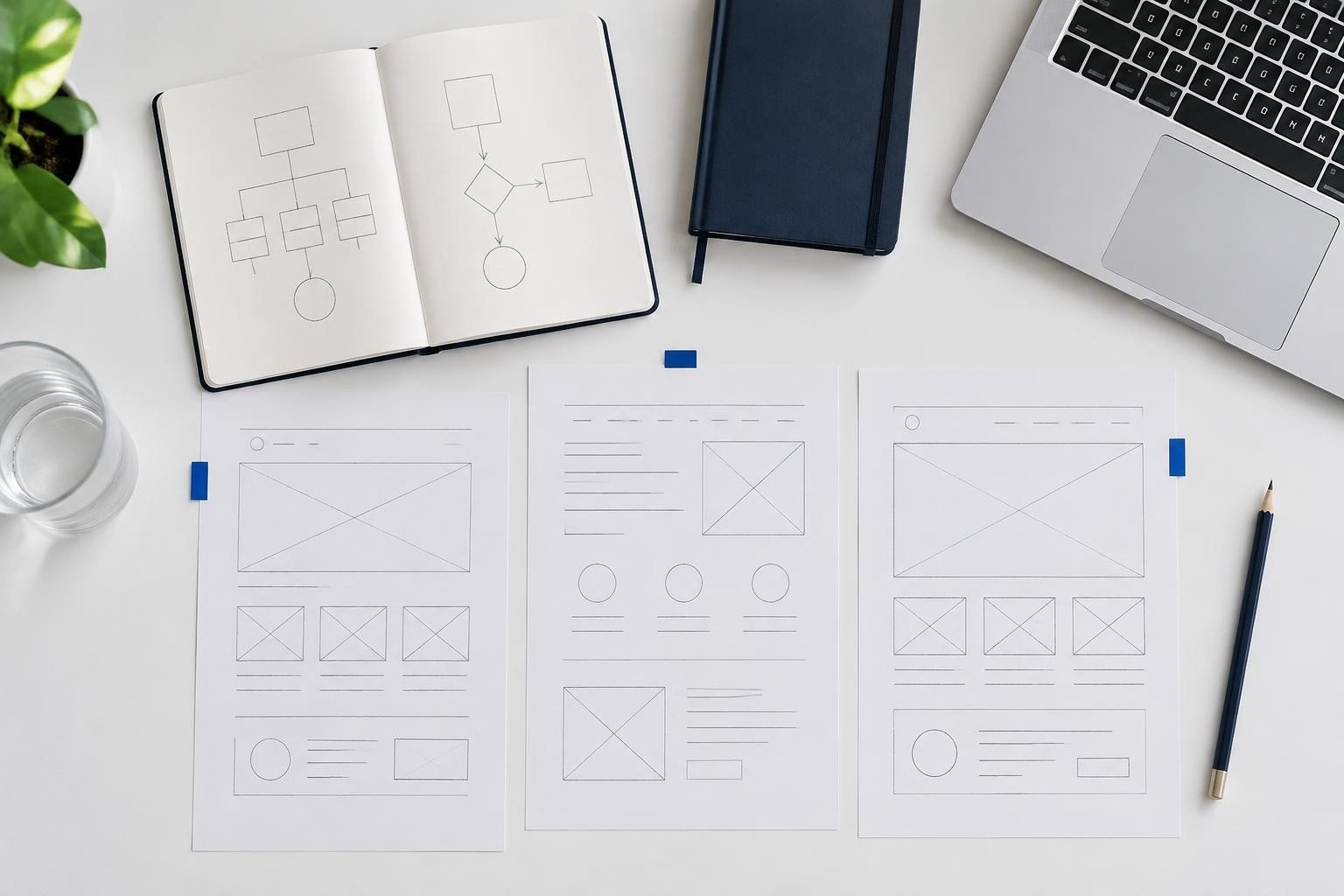
We listen first. Understanding your business, the people you want to reach and what you want to achieve gives the project a meaningful starting point.
What takes shape
- Business context
- Audience understanding
- Project goals
We turn the initial understanding into a practical direction: what belongs in the project, how it should be organised and what needs to be prepared.
What takes shape
- Agreed scope
- Content and structure
- Creative direction
We connect visual expression with the way people use the experience. Layout, hierarchy and interactions are considered together, with room for thoughtful feedback.
What takes shape
- Visual direction
- Interface layouts
- User experience
We translate the agreed design into a working experience, connecting the functionality and integrations that the project needs.
What takes shape
- Development
- Required integrations
- Working experience
We review the experience across screen sizes, check key user journeys and assess performance. Findings are addressed before the launch stage.
What takes shape
- Screen-size checks
- Usability review
- Performance checks
We prepare for deployment and hand over the agreed project. The focus is a considered transition from development to everyday use.
What takes shape
- Deployment
- Final review
- Project handover
When further support is required, we review what can be refined and agree the next scope. Improvement responds to real needs rather than adding work for its own sake.
What takes shape
- Review of needs
- Agreed refinements
- Ongoing support when required
Why NexaVTech
The way we think is part of the work.
Design thinking
Start with the problem. Let purpose guide the visual decisions.
Technology
Choose practical tools that serve the experience and its needs.
Attention to detail
Consider the small decisions that make the whole feel coherent.
Communication
Keep conversations clear, feedback useful and next steps understood.
Flexibility
Adapt thoughtfully as priorities become clearer, with scope in view.
Long-term thinking
Build with future use, maintenance and refinement in mind.